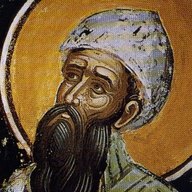
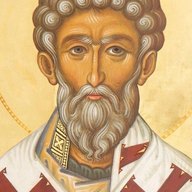
St. Bede the Venerablein the Catena Aurea · on Luke 19:1–4
Mystically, Zacchæus, which is by interpretation "justified," signifies the Gentile believers, who were depressed and brought very low by their worldly occupations, but sanctified by God. And he was desirous to see our Saviour entering Jericho, inasmuch as he sought to share in that faith which Christ brought into the…
St. Cyril of AlexandriaCommentary on Luke · on Luke 19:2
Behold a man named Zacchaeus. Zacchaeus was chief of the publicans, a man entirely abandoned to covetousness, and whose sole object was the increase of his gains: for such was the practice of the publicans, though Paul calls it "idolatry," possibly as being fit only for those who have no knowledge of God. And as they…
St. Ambrose of Milanin the Catena Aurea · on Luke 19:2
Zacchæus in the sycamore, the blind man by the way side: upon the one our Lord waits to show mercy, upon the other He confers the great glory of abiding in his house. The chief among the Publicans is here fitly introduced. For who will hereafter despair of himself, now that he attains to grace who gained his living by…
St. Cyril of AlexandriaCommentary on Luke · on Luke 19:3–6
But come then, and let us see what was the manner of Zacchaeus' conversion. He desired to see Jesus, and climbed therefore into a sycamore tree, and so a seed of salvation sprang up within him. And Christ saw this with the eyes of Deity: and therefore looking up, He saw him also with the eyes of the manhood, and as it…
St. Cyril of Alexandriain the Catena Aurea · on Luke 19:3
The crowd is the tumultuous state of an ignorant multitude, which cannot see the lofty top of wisdom. Zacchæus therefore, while he was in the crowd, saw not Christ, but having advanced beyond the vulgar ignorance, was thought worthy to entertain Him, whom he desired to look upon.
Blessed Theophylact of Ohridin the Catena Aurea · on Luke 19:3
It is easy to turn this to a moral use. For whoever surpasses many in wickedness is small in spiritual growth, and cannot see Jesus for the crowd. For disturbed by passion and worldly things, he beholds not Jesus walking, that is, working in us, not recognising His operation.
St. Ambrose of Milanin the Catena Aurea · on Luke 19:3
What means the Evangelist by describing his stature, and that of none other? It is perhaps because he was young in wickedness, or as yet weak in the faith. For he was not yet prostrate in sin who could climb up. He had not yet seen Christ.
Blessed Theophylact of Ohridin the Catena Aurea · on Luke 19:4
But he climbs up to the top of a sycamore-tree, in that he rises above the sweetness of pleasure, which is signified by a fig, and subduing it, and so becoming more exalted, he sees and is seen by Christ.
St. Ambrose of Milanin the Catena Aurea · on Luke 19:4
He has well added, that our Lord was to pass that way, either where the sycamore-tree was, or where he was who was about to believe, that so He might preserve the mystery, and sow the seeds of grace. For He had so come as that through the Jews He came to the Gentiles. He sees then Zacchæus above, for already the…
St. Gregory the Dialogistin the Catena Aurea · on Luke 19:4
Or because the sycamore is from its name called the foolish fig, the little Zacchæus gets up into the sycamore and sees the Lord, for they who humbly choose the foolish things of this world are those who contemplate most closely the wisdom of God. For what is more foolish in this world than not to seek for what is…
And when Jesus came to the place, he looked up, and saw him, and said unto him, Zacchaeus, make haste, and come down; for to day I must abide at thy house.
St. Cyril of AlexandriaCommentary on Luke · on Luke 19:5–6
Zacchaeus, come down quickly: for to-day I must abide at your house. This was an act of divine foreknowledge; for He well knew what would happen. He saw the man's soul prepared most readily to choose a holy life, and converted him therefore to pietyThe man therefore received Jesus joyfully: and this was the…
Blessed Theophylact of Ohridin the Catena Aurea · on Luke 19:5
The Lord said to him, Make haste and come down, that is, "Thou hast ascended by penitence to a place too high for thee, come down by humility, lest thy exaltation cause thee to slip. I must abide in the house of a humble man."
St. Ambrose of Milanin the Catena Aurea · on Luke 19:5
Uninvited he invites Himself to his house; as it follows, Zacchæus, make haste, and come down, & c. for He knew how richly He would reward his hospitality. And though He had not yet heard the word of invitation, He had already seen the will.
St. Bede the Venerablein the Catena Aurea · on Luke 19:5
The Lord as He journeyed came to the place where Zacchæus had climbed the sycamore, for having sent His preachers throughout the world in whom He Himself spoke and went, He comes to the Gentile people, who were already raised up on high through faith in His Passion, and whom when He looked up He saw, for He chose them…
And he made haste, and came down, and received him joyfully.
καὶ σπεύσας κατέβη, καὶ ὑπεδέξατο αὐτὸν χαίρων.
St. Cyril of Alexandriain the Catena Aurea · on Luke 19:6
But Zacchæus made no delay in what he did, and so was accounted worthy of the favour of God, which gives sight to the blind, and calls them who are afar off.
St. Bede the Venerablein the Catena Aurea · on Luke 19:6
See here, the camel disencumbered of his hunch passes through the eye of a needle, that is, the rich man and the publican abandoning his love of riches, and loathing his dishonest gains, receives the blessing of his Lord's company. It follows, And he made haste, and came down, and received him joyfully.
St. Cyril of AlexandriaCommentary on Luke · on Luke 19:7–8
But perchance some one possibly may say to our common Saviour Christ, 'What do You, O Lord? Go You to lodge with Zacchaeus? and deign You to abide with the chief of the publicans? He has not yet washed away the stain of his greedy love of lucre: he is still sick with covetousness, the mother of all crimes: still full…
And Zacchaeus stood, and said unto the Lord; Behold, Lord, the half of my goods I give to the poor; and if I have taken any thing from any man by false accusation, I restore him fourfold.
Blessed Theophylact of Ohridin the Catena Aurea · on Luke 19:8
If we examine more closely, we shall see that nothing was left of his own property. For having given half of his goods to the poor, out of the remainder he restored fourfold to those whom he had injured. He not only promised this, but did it. For he says not, "I will give the half, and I will restore fourfold," but,…
Blessed Theophylact of Ohridin the Catena Aurea · on Luke 19:8–9
We have two kinds of goods in us, bodily, and spiritual; the just man gives up all his bodily goods to the poor, but he forsakes not his spiritual goods, but if he has extorted any thing from any one, he restores to him fourfold; signifying thereby that if a man by repentance walks in the opposite path to his former…
St. Cyril of AlexandriaCommentary on Luke · on Luke 19:9
And to teach them this He says, "To-day there is salvation for this house, in that he also is a son of Abraham:" for where Christ enters, there necessarily is also salvation. May He therefore also be in us: and He is in us when we believe: for He dwells in our hearts by faith, and we are His abode. It would have been…
Blessed Theophylact of Ohridin the Catena Aurea · on Luke 19:9
To such Christ announces salvation; Jesus saith unto him, This day is salvation come to this house, signifying that Zacchaeus had attained to salvation, meaning by the house the inhabitant thereof. And it follows, forasmuch as he also is a son of Abraham. For He would not have given the name of a son of Abraham to a…
St. Bede the Venerablein the Catena Aurea · on Luke 19:9
Zacchæus is called the son of Abraham, not because he was born of Abraham's seed, but because he imitates his faith, that as Abraham left his country and his father's house, so he abandoned all his goods in giving them to the poor. And He well says, "He also," to declare that not only those who had lived justly, but…
St. Cyril of AlexandriaCommentary on Luke · on Luke 19:10
Christ therefore arose, to deliver the inhabitants of the earth from their sins, and to seek them that were lost, and to save them that had perished. For this is His office, and, so to say, the fruit of His godlike gentleness. Of this will he also count all those worthy who have believed in Him: by Whom and with Whom…
Blessed Theophylact of Ohridin the Catena Aurea · on Luke 19:10
But because some murmured that he tarried with a man who was a sinner, he adds in order to restrain them, For the Son of man came to seek and to save that which was lost.
And as they heard these things, he added and spake a parable, because he was nigh to Jerusalem, and because they thought that the kingdom of God should immediately appear.
Blessed Theophylact of Ohridin the Catena Aurea · on Luke 19:11
The Lord points out the vanity of their imaginations, for the senses cannot embrace the kingdom of God; He also plainly shows to them, that as God He knew their thoughts, putting to them the following parable, A certain nobleman, &c.
St. Cyril of AlexandriaCommentary on Luke · on Luke 19:12
And as they hear these things, He added and spoke a parable, because He was nigh to Jerusalem, and they thought that the kingdom of God was about immediately to be manifested. He said therefore, A certain nobleman went into a far country, to receive for himself a kingdom, and to return. And when he had called ten of…
St. John Chrysostomin the Catena Aurea · on Luke 19:12
Holy Scripture notes two kingdoms of God, one indeed by creation, since by right of creation He is King over all men; the other by justification, since He reigns over the just, of their own will made subject to Him. And this is the kingdom which He is here said to have received.
Blessed Augustinein the Catena Aurea · on Luke 19:12
Or the far country is the Gentile Church, extending to the uttermost parts of the earth. For He went that the fulness of the Gentiles might come in; He will return that all Israel may be saved.
St. Cyril of Alexandriain the Catena Aurea · on Luke 19:12
This parable is intended to set before us the mysteries of Christ from the first to the last. For God was made man, who was the Word from the beginning; and though He became a servant, yet was He noble because of His unspeakable birth from the Father.
St. Cyril of AlexandriaCommentary on Luke · on Luke 19:13
MEN who are in debt run away from their creditors, because they know them to be importunate. But not so with me; for I have come to pay my debt, and to fulfil what I promised: and I rather pursue after my creditors than am pursued by them. What therefore is that which I promised, or what is the debt? At our last…
St. John Chrysostomin the Catena Aurea · on Luke 19:13
Holy Scripture is accustomed to use the number ten as a sign of perfection, for if any one wishes to count beyond it, he has again to begin from unity, having in ten as it were arrived at a goal. And so in the giving of the talents, the one who reaches the goal of divine obedience is said to have received ten pounds.…
Blessed Augustinein the Catena Aurea · on Luke 19:13
Or by the ten pounds he signifies the law, because of the ten commandments, and by the ten servants, those to whom while under the law grace was preached. For so we must interpret the ten pounds given them for trading, seeing that they understood the law, when its veil was removed, to belong to the Gospel.
St. Cyril of Alexandriain the Catena Aurea · on Luke 19:13
For ascending up to heaven, He sits on the right hand of the Majesty on high. (Heb. 1:3.) But being ascended, He hath dispensed to those that believe on Him different divine graces, as unto the servants were committed their Lord's goods, that gaining something they might bring him token of their service. As it…
St. Bede the Venerablein the Catena Aurea · on Luke 19:13
A pound which the Greeks call μνᾶ is equal in weight to a hundred drachmas, and every word of Scripture, as suggesting to us the perfection of the heavenly life, shines as it were with the greatness of the hundredth number.
St. Cyril of AlexandriaCommentary on Luke · on Luke 19:14
"But his citizens, it says, hated him." And similarly Christ reproaches the Jewish multitudes, saying, "If I had not done among them the works which no one else has done, they had not had sin: but now they have both seen and hated both Me and My Father." They would not have Him reign over them: and yet the holy…
St. Cyril of Alexandriain the Catena Aurea · on Luke 19:14
But greatly indeed do these differ from those who denied the kingdom of God, of whom it is added, But his citizens hated him. And this it is for which Christ upbraided the Jews, when He said, But now have they both seen and hated me and my Father. (John 15:24.) But they rejected His kingdom, saying to Pilate, We have…
And it came to pass, that when he was returned, having received the kingdom, then he commanded these servants to be called unto him, to whom he had given the money, that he might know how much every man had gained by trading.
St. Cyril of AlexandriaCommentary on Luke · on Luke 19:15–19
But next I think that I ought to mention who they are who have been entrusted by Christ with these gifts, according to the measure of each one's readiness and disposition. For He knows whatsoever is in us, in that He is very God, Who spies the reins and hearts. Let us notice, however, that another Evangelist is aware…
Blessed Augustinein the Catena Aurea · on Luke 19:15
He also returns after having received His kingdom, because in all glory will He come who appeared lowly to them to whom He said, My kingdom is not of this world. (John 18:36.)
St. Cyril of Alexandriain the Catena Aurea · on Luke 19:15–16
But when Christ returns, having taken unto Himself His kingdom, the ministers of the word will receive their deserved praises and delight in heavenly rewards, because they multiplied their talent by acquiring more talents, as it is added, Then came the first, saying, Lord, thy pound has gained ten pounds.
St. John Chrysostomin the Catena Aurea · on Luke 19:16–18
This parable as it is related in Luke is different from that given in Matthew concerning the talents. For in the former indeed out of one and the same principal there were different sums produced, seeing that from the profits of one pound received, one servant brought five, another ten pounds. But with Matthew it is…
Blessed Augustinein the Catena Aurea · on Luke 19:16–22
Or else; That one of those who well employed their money gained ten pounds, another five, signifies that they acquired them for the flock of God, by whom the law was now understood through grace, either because of the ten commandments of the law, or because he, through whom the law was given, wrote five books; and to…
St. Ambrose of Milanin the Catena Aurea · on Luke 19:16–19
But the ten cities are the souls over whom he is rightly placed who has deposited in the minds of men his Lord's money and the holy words, which are tried as silver is tried in the fire. For as Jerusalem is said to be built as a city, (Ps. 121:3.) so are peace-making souls. And as angels have rule, so have they who…
St. Bede the Venerablein the Catena Aurea · on Luke 19:16
The first servant is the order of teachers sent to the circumcision, who received one pound to put out to use, inasmuch as it was ordered to preach one faith. But this one pound gained ten pounds, because by its teaching it united to itself the people who were subject to the law.
St. Bede the Venerablein the Catena Aurea · on Luke 19:17
It follows, And he said unto him, Well done, thou good servant: because thou hast been faithful in a very little, &c. The servant is faithful in a very little who does not adulterate the word of God. For all the gifts we receive now are but small in comparison of what we shall have.
St. Bede the Venerablein the Catena Aurea · on Luke 19:18
That servant is the assembly of those who were sent to preach the Gospel to the uncircumcision, whose pound, that is the faith of the Gospel, gained five pounds, because it converted to the grace of Evangelical faith, the nations before enslaved to the five senses of the body.
And he said likewise to him, Be thou also over five cities.
εἶπε δὲ καὶ τούτῳ· καὶ σὺ γίνου ἐπάνω πέντε πόλεων.
BV
St. Bede the Venerablein the Catena Aurea · on Luke 19:19
And he said likewise to him, Be thou also over five cities; that is, be exalted to shine through the faith and conversation of those souls which thou hast enlightened.
St. Cyril of AlexandriaCommentary on Luke · on Luke 19:20–23
There are honours, therefore, and triumphs, and crowns for those who have laboured, and loved service: but shame for those who have been overcome by sloth. For he who hid his mina in a napkin became liable to a terrible condemnation. He drew near, saying, "Lo! you have that is yours!" But the purpose, He says, for…
Blessed Theophylact of Ohridin the Catena Aurea · on Luke 19:20
For with a napkin the face of the dead is covered; well then is this idler said to have wrapped up his pound in a napkin, because leaving it dead and unprofitable he neither touched nor increased it.
St. Ambrose of Milanin the Catena Aurea · on Luke 19:20–26
Nothing is said of the other servants, who like wasteful debtors lost all that they had received. By those two servants who gained by trading, are signified that small number, who in two companies were sent as dressers of the vineyard; by the remainder all the Jews. It follows, And they said unto him, Lord, he has ten…
And he saith unto him, Out of thine own mouth will I judge thee, thou wicked servant. Thou knewest that I was an austere man, taking up that I laid not down, and reaping that I did not sow:
St. Bede the Venerablein the Catena Aurea · on Luke 19:22
But that which he thought to have used as an excuse is turned to his own blame, as it follows, He says unto him, Out of thy own mouth will I judge thee, thou wicked servant. He is called a wicked servant, as being slothful in business, and proud in questioning his Lord's judgment. Thou knewest that I was an austere…
St. John Chrysostomin the Catena Aurea · on Luke 19:23
In the payment of earthly riches the debtors are obliged only to strictness. Whatever they receive, so much must they return, nothing more is required of them. But with regard to the words of God, we are not only bound diligently to keep, but we are commanded to increase; and hence it follows, that at my coming I…
Blessed Augustinein the Catena Aurea · on Luke 19:23
Or the bank into which the money was to be given, we take to be the very profession of religion which is publicly put forth as a means necessary to salvation.
St. Bede the Venerablein the Catena Aurea · on Luke 19:23
But money or silver is the preaching of the Gospel and the word of God, for the words of the Lord are pure words as silver tried in the fire. (Ps. 12:6.) And this word of the Lord ought to be given to the bank, that is, put into hearts meet and ready to receive it.
St. Bede the Venerablein the Catena Aurea · on Luke 19:23
For they who by faith receive the riches of the word from a teacher, must by their works pay it back with usury, or be earnestly desirous to know something more than what they have as yet learnt from the mouth of their preachers.
St. Cyril of AlexandriaCommentary on Luke · on Luke 19:24–26
"Take therefore, he says, from him the mina, and give it to him that has ten minas; for to him that has, there shall more be given: but from him that has not, even that which he seems to have shall be taken away from him." For that slothful servant was stripped even of the gift which had been bestowed upon him: but…
St. John Chrysostomin the Catena Aurea · on Luke 19:24
He says then to them that stood by, Take from him the pound, because it is not the part of a wise man to punish, but he needs some one else as the minister of the judge in executing punishment. For even God does not Himself inflict punishment, but through the ministry of His angels.
St. Cyril of Alexandriain the Catena Aurea · on Luke 19:24
It is the work of teachers to engraft in their hearers' minds wholesome and profitable words, but of divine power to win the hearers to obedience, and render their understanding fruitful. Now this servant, so far from being commended or thought worthy of honour, was condemned as slothful, as it follows, And he said…
Blessed Theophylact of Ohridin the Catena Aurea · on Luke 19:24–25
For seeing that he gained ten, by multiplying his pound tenfold, it is plain that by having more to multiply, he would be an occasion of greater gain to his Lord.
St. Bede the Venerablein the Catena Aurea · on Luke 19:24
The mystical meaning I suppose is this, that at the coming in of the Gentiles all Israel shall be saved, (Rom. 11:26.) and that then the abundant grace of the Spirit will be poured out upon the teachers.
Blessed Augustinein the Catena Aurea · on Luke 19:26
Signifying thereby that both he will lose the gift of God, who having, hath not, that is, useth it not, and that he will have it increased, who having, hath, that is, rightly useth it.
Blessed Theophylact of Ohridin the Catena Aurea · on Luke 19:26
But from the slothful and idle, who stirs not himself to increase what he has received, shall be taken away even that which he possesses, that there may be no gap in the Lord's account when it is given to others and multiplied. But this is not to be applied only to the words of God and teaching, but also to the moral…
St. Cyril of AlexandriaCommentary on Luke · on Luke 19:27
We have seen the honours of the saints: come and let us examine the torments of the wicked, who would not have that man of noble lineage to rule over them. " But those, my enemies, He says, who would not that I should reign over them, bring hither, and slay them before Me." This was the fate of the Israelitish race:…
St. John Chrysostomin the Catena Aurea · on Luke 19:27
These things are of force against the Marcionists. For Christ also says, Bring hither my enemies, and slay them before me. (Mat. 21:41). Whereas they say Christ indeed is good, but the God of the Old Testament evil. Now it is plain that both the Father and the Son do the same things. For the Father sends His army to…
Blessed Theophylact of Ohridin the Catena Aurea · on Luke 19:27
He adds of His adversaries, But those mine enemies who would not that I should reign over them, bring them hither, and slay them before me. Whom he will deliver to death, casting them into the outer fire. But even in this world they were most miserably slain by the Roman army.
St. Cyril of AlexandriaCommentary on Luke · on Luke 19:28
And when He had said these things, He went onwards, going up to Jerusalem. And it came to pass, that when He was come close to Bethphage and Bethany, at the mount called of Olives, He sent two of His disciples, saying, Go into the village over against us, in which at your entering you shall find a colt, tied, whereon…
St. Cyril of AlexandriaCommentary on Luke · on Luke 19:29–35
What then was the sign? He sat upon a colt, as we have just heard the blessed Evangelist clearly telling us. And yet perchance some one will say, 'that when He traversed the whole of Judaea;—for He taught in their synagogues, adding also to His words the working of miracles;—He had not asked for an animal to ride…
St. Ambrose of Milanin the Catena Aurea · on Luke 19:29
Mystically, our Lord came to Mount Olivet, that he might plant new olive trees on the heights of virtue. And perhaps the mountain itself is Christ, for who else could bear such fruit of olives abounding in the fulness of the Spirit?
St. Ambrose of Milanin the Catena Aurea · on Luke 19:29
Nor is it for nothing that two disciples are directed thither; Peter to Cornelius, Paul to the rest. And therefore He did not mark out the persons, but determined the number. Still should any one require the persons, he may believe it to be spoken of Philip, whom the Holy Spirit sent to Gaza, when he baptized the…
St. Bede the Venerablein the Catena Aurea · on Luke 19:29
Proving at the same time that the parable had been pronounced concerning the end of that city which was about both to slay Him, and to perish itself by the scourge of the enemy. It follows, And it came to pass, when he was come nigh to Bethphage, &c. Bethphage was a small village belonging to the priests on Mount…
St. Bede the Venerablein the Catena Aurea · on Luke 19:29
Rightly are the towns described as placed on Mount Olivet, that is, on the Lord Himself, who rekindles the unction of spiritual graces with the light of knowledge and piety.
Saying, Go ye into the village over against you; in the which at your entering ye shall find a colt tied, whereon yet never man sat: loose him, and bring him hither.
Blessed AugustineHarmony of the Gospels, Book 2 · on Luke 19:30
Matthew goes on with his narrative in the following terms: "And when they drew nigh unto Jerusalem, and were come to Bethphage, unto the Mount of Olives, then sent Jesus two disciples, saying unto them, Go into the village over against you, and straightway ye shall find an ass tied, and a colt with her;" and so on,…
St. John Chrysostomin the Catena Aurea · on Luke 19:30–31
At the beginning of His ministry our Lord showed Himself indifferent to the Jews, but when He had given sufficient token of His power, He transacts every thing with the highest authority. Many are the miracles which then took place. He foretold to them, ye shall find an unbroken colt. He foretels also that no one…
Blessed Augustinein the Catena Aurea · on Luke 19:30
Nor matters it that Matthew speaks of an ass and its foal, while the others say nothing of the ass; for when both may be conceived, there is no variance even though one relate one thing, and another another, much less where one relates one thing, another both.
St. Ambrose of Milanin the Catena Aurea · on Luke 19:30
For they were in the village, and the colt was tied with its mother, nor could it be loosed except by the command of the Lord. The apostle's hand looses it. Such was the act, such the life, such the grace. Be such, that thou mayest be able to loose those that are bound. In the ass indeed Matthew represented the mother…
St. Cyril of Alexandriain the Catena Aurea · on Luke 19:32–34
Those men who were directed, when they were loosing the colt, did not use their own words, but spoke as Jesus had told them, that you may know that not by their own words, but the word of God, not in their own name but in Christ's, they implanted the faith among the Gentile nations; and by the command of God the…
St. Ambrose of Milanin the Catena Aurea · on Luke 19:35
For it pleased not the Lord of the world to be borne upon the ass's back, save that in a hidden mystery by a more inward sitting, the mystical Ruler might take His seat in the secret depths of men's souls, guiding the footsteps of the mind, bridling the wantonness of the heart. His word is a rein, His word is a goad.
And when he was come nigh, even now at the descent of the mount of Olives, the whole multitude of the disciples began to rejoice and praise God with a loud voice for all the mighty works that they had seen;
St. Cyril of AlexandriaCommentary on Luke · on Luke 19:37
Christ therefore sits upon the colt: and as He had now come to the descent of the mount of Olives, close, that is, to Jerusalem, the disciples went before Him, praising Him. For they were called to bear witness of the wonderful works which He had wrought, and of His godlike glory and sovereignty. And in like manner we…
Blessed Theophylact of Ohridin the Catena Aurea · on Luke 19:37
He calls by the name of disciples not only the twelve, or the seventy-two, but all who followed Christ, whether for the sake of the miracles, or from a certain charm in His teaching, and to them may be added the children, as the other Evangelists relate. Hence it follows, For all the mighty works which they had seen.
St. Ambrose of Milanin the Catena Aurea · on Luke 19:37–38
For it pleased not the Lord of the world to be borne upon the ass's back, save that in a hidden mystery by a more inward sitting, the mystical Ruler might take His seat in the secret depths of men's souls, guiding the footsteps of the mind, bridling the wantonness of the heart. His word is a rein, His word is a goad.…
St. Bede the Venerablein the Catena Aurea · on Luke 19:37
They beheld indeed many of our Lord's miracles, but marvelled most at the resurrection of Lazarus. For as John says, For this cause the people also met him, for that they heard that he had done this miracle. For it must be observed that this was not the first time of our Lord's coming to Jerusalem, but He came often…
St. Bede the Venerablein the Catena Aurea · on Luke 19:37
Again, when our Lord descends from the mount of Olives, the multitude descend also, because since the Author of mercy has suffered humiliation, it is necessary that all those who need His mercy should follow His footsteps.
Blessed Theophylact of Ohridin the Catena Aurea · on Luke 19:38
That is, the ancient warfare, wherein we were at enmity against God, has ceased. And glory in the highest, inasmuch as Angels are glorifying God for such a reconciliation. For this very thing, that God visibly walks in the land of His enemies, shows that He has peace with us.
St. Bede the Venerablein the Catena Aurea · on Luke 19:38
That is, in the name of God the Father, although it might be taken "in His own name," since He Himself is the Lord. But His own words are better guides to the meaning when He says, I am come in my Father's name. For Christ is the Master of humility. Christ is not called King as one who exacts tribute, or arms His…
St. Cyril of AlexandriaCommentary on Luke · on Luke 19:39–40
And the Pharisees indeed murmured because Christ was praised; and drew near and said, "Rebuke your disciples." But what wrong action have they done, O Pharisee? What charge do you bring against the disciples, or how would you have them rebuked? For they have not in any way sinned, but have rather done that which is…
Blessed Theophylact of Ohridin the Catena Aurea · on Luke 19:39
But the Pharisees when they heard that the crowd called Him King, and praised Him as God, murmured, imputing the name of King to sedition, the name of God to blasphemy. And some of the Pharisees said, Master, rebuke thy disciples.
St. Ambrose of Milanin the Catena Aurea · on Luke 19:39–40
Nor is it wonderful that the stones against their nature should chaunt forth the praises of the Lord, whom His murderers, harder than the rocks, proclaim aloud, that is, the multitude, in a little while about to crucify their God, denying Him in their hearts, whom with their mouths they confess. Or perhaps it is said,…
St. Bede the Venerablein the Catena Aurea · on Luke 19:39
O the strange folly of the envious; they scruple not to call Him Master, because they knew He taught the truth, but His disciples, as though themselves were better taught, they deem worthy of rebuke.
St. Cyril of Alexandriain the Catena Aurea · on Luke 19:40
But the Lord forbade not them that glorified Him as God, but rather forbade those that blamed them, so bearing witness to Himself concerning the glory of the Godhead. Hence it follows, He answered and said unto them, I tell you, if these should hold their peace, the stones would immediately cry out.
St. Bede the Venerablein the Catena Aurea · on Luke 19:40
And so at the crucifixion of our Lord, when His kinsfolk were silent from fear, the stones and rocks sang forth, while after that He gave up the ghost, the earth was moved, and the rocks were rent, and the graves opened.
And when he was come near, he beheld the city, and wept over it,
Καὶ ὡς ἤγγισεν, ἰδὼν τὴν πόλιν ἔκλαυσεν ἐπ᾽ αὐτῇ,
St. Cyril of AlexandriaCommentary on Luke · on Luke 19:41
And as He drew near, He beheld the city, and wept over it, saying, Would that you had known on this day, even you, the things of your peace: but now they are hid from your eyes: that the days shall come upon you, when your enemies shall raise a rampart against you, and encircle you, and keep you in on every side; and…
St. Cyril of Alexandriain the Catena Aurea · on Luke 19:41
For Christ had compassion upon the Jews, who wills that all men should be saved. Which had not been plain to us, were it not revealed by a certain mark of His humanity. For tears poured forth are the tokens of sorrow.
St. Gregory the Dialogistin the Catena Aurea · on Luke 19:41–42
For our Redeemer does not cease to weep through His elect whenever he perceives any to have departed from a good life to follow evil ways. Who if they had known their own damnation, hanging over them, would together with the elect shed tears over themselves. But the corrupt soul here has its day, rejoicing in the…
St. Gregory the Dialogistin the Catena Aurea · on Luke 19:41–43
The merciful Redeemer wept then over the fall of the false city, which that city itself knew not was about to come upon it. As it is added, saying, If thou hadst known, even thou (we may here understand) wouldest weep. Thou who now rejoicest, for thou knowest not what is at hand. It follows, at least in this thy day.…
St. Cyril of AlexandriaCommentary on Luke · on Luke 19:42
We say therefore that He wept also over Jerusalem for a similar reason: for He desired, as I said, to see it in happiness, by its accepting faith in Him, and welcoming peace with God. For it was to this that the prophet Isaiah also invited them, saying, "Let us make peace with Him: let us who come make peace." For…
St. Cyril of Alexandriain the Catena Aurea · on Luke 19:42
If thou hadst known, even thou. The Jews were not worthy to receive the divinely inspired Scriptures, which relate the mystery of Christ. For as often as Moses is read, a veil overshadows their heart that they should not see what has been accomplished in Christ, who being the truth puts to flight the shadow. And…
For the days shall come upon thee, that thine enemies shall cast a trench about thee, and compass thee round, and keep thee in on every side,
ὅτι ἥξουσιν ἡμέραι ἐπὶ σὲ καὶ περιβαλοῦσιν οἱ ἐχθροί σου χάρακά σοι καὶ περικυκλώσουσί σε καὶ συνέξουσί σε πάντοθεν,
St. Cyril of AlexandriaCommentary on Luke · on Luke 19:43–44
That the city then, once so holy and illustrious, even Jerusalem, fell into the distresses of war, may be seen from history: but the prophet Isaiah also assures us of it, where he cries aloud to the multitudes of the Jews, "Your country is desolate: your cities are burnt with fire: your land, strangers devour it in…
St. Gregory the Dialogistin the Catena Aurea · on Luke 19:43
By these words the Roman leaders are pointed out. For that overthrow of Jerusalem is described, which was made by the Roman emperors Vespasian and Titus.
St. Gregory the Dialogistin the Catena Aurea · on Luke 19:43–44
Or else; The evil spirits lay siege to the soul, as it goes forth from the body, for being seized with the love of the flesh, they caress it with delusive pleasures. They surround it with a trench, because bringing all its wickedness which it has committed before the eyes of its mind, they close confine it to the…
And shall lay thee even with the ground, and thy children within thee; and they shall not leave in thee one stone upon another; because thou knewest not the time of thy visitation.
Blessed Theophylact of Ohridin the Catena Aurea · on Luke 19:44
That is, of my coming. For I came to visit and to save thee, which if thou hadst known and believed on Me, thou mightest have been reconciled to the Romans, and exempted from all danger, as did those who believed on Christ.
St. Gregory the Dialogistin the Catena Aurea · on Luke 19:44
This too which is added, namely, They shall not leave in thee one stone upon another, is now witnessed in the altered situation of the same city, which is now built in that place where Christ was crucified without the gate, whereas the former Jerusalem, as it is called, was rooted up from the very foundation. And the…
Blessed AugustineHarmony of the Gospels, Book 2 · on Luke 19:45
Matthew goes on with his narrative in the following terms: "And when He was come into Jerusalem, all the city was moved, saying, Who is this? And the multitude said, This is Jesus, the prophet of Nazareth of Galilee. And Jesus went into the temple of God, and cast out all them that sold and bought in the temple;" and…
St. Cyril of AlexandriaCommentary on Luke · on Luke 19:45–46
And having entered into the temple, He began to cast out those who sold therein, saying to them, It is written that My house is a house of prayer: but you have made it a den of thieves. And he taught daily in the temple: but the chief priests and scribes and rulers of the people sought to destroy Him; and found not…
Blessed Augustinein the Catena Aurea · on Luke 19:45–46
Now mystically, you must understand by the temple Christ Himself, as man in His human nature, or with His body united to Him, that is, the Church. But inasmuch as He is the Head of the Church, it was said, Destroy this temple, and I will raise it up in three days. (John 2:19.) Inasmuch as the Church is joined to Him,…
St. Cyril of Alexandriain the Catena Aurea · on Luke 19:45–46
Now there were in the temple a number of sellers who sold animals, by the custom of the law, for the sacrificial victims, but the time was now come for the shadows to pass away, and the truth of Christ to shine forth. Therefore Christ, who together with the Father was worshipped in the temple, commanded the customs of…
Blessed Theophylact of Ohridin the Catena Aurea · on Luke 19:45
The same thing our Lord did also at the beginning of His preaching, as John relates; and now He did it a second time, because the crime of the Jews was much increased by their not having been chastened by the former warning.
St. Ambrose of Milanin the Catena Aurea · on Luke 19:45
Therefore our Lord teaches generally that all worldly bargains should be far removed from the temple of God; but spiritually He drove away the money-changers, who seek gain from the Lord's money, that is, the divine Scripture, lest they should discern good and evil.
St. Gregory the Dialogistin the Catena Aurea · on Luke 19:45
When He had related the evils that were to come upon the city, He straightway entered the temple, that He might cast out them that bought and sold in it. showing that the destruction of the people arose chiefly from the guilt of the priests. For they who sat in the temple to receive money would doubtless sometimes…
St. Ambrose of Milanin the Catena Aurea · on Luke 19:46
For God wishes not His temple to be a house of traffic, but the dwelling-place of holiness, nor does He fix the priestly service in a saleable performance of religion, but in a free and willing obedience.
St. Gregory the Dialogistin the Catena Aurea · on Luke 19:46–47
And these make the house of God a den of thieves, because when corrupt men hold religious offices, they slay with the sword of their wickedness their neighbours, whom they ought to raise to life by the intercession of their prayers. The temple also is the soul of the faithful, which if it put forth corrupt thoughts to…
Blessed AugustineHarmony of the Gospels, Book 2 · on Luke 19:47–20:1
Matthew continues his narrative in the following terms: "And when He was come into the temple, the chief priests and the elders of the people came unto Him as He was teaching, and said, By what authority doest thou these things? and who gave thee this authority? And Jesus answered and said unto them, I also will ask…
St. Cyril of AlexandriaCommentary on Luke · on Luke 19:47–48
It was their duty therefore, I say their duty, rather to worship Him, as One who with God the Father was Lord of the temple. But this in their great folly they did not do: but rather being savagely eager for hatred, they both set up against Him the sharp sting of wickedness, and hastened to murder, the neighbour and…
St. Cyril of Alexandriain the Catena Aurea · on Luke 19:47
Now from what Christ had said and done it was meet that men should worship Him as God, but far from doing this, they sought to slay Him; as it follows, But the chief priests and scribes and the chief of the people sought to destroy him.
St. Gregory the Dialogistin the Catena Aurea · on Luke 19:47
But our Redeemer does not withdraw His word of preaching even from the unworthy and ungrateful. Accordingly after having by the ejection of the corrupt maintained the strictness of discipline, He now pours forth the gifts of grace. For it follows, And he was teaching daily in the temple.
St. Bede the Venerablein the Catena Aurea · on Luke 19:47
Either because He daily taught in the temple, or because He had cast the thieves therefrom, or that coming thereto as King and Lord, He was greeted with the honour of a heavenly hymn of praise.
St. Cyril of Alexandriain the Catena Aurea · on Luke 19:48
But the people held Christ in far higher estimation than the Scribes and Pharisees, and chiefs of the Jews, who not receiving the faith of Christ themselves, rebuked others. Hence it follows, And they could not find what they might do: for all the people were very attentire to hear him.
St. Bede the Venerablein the Catena Aurea · on Luke 19:48
This may be taken in two ways; either that fearing a tumult of the people they knew not what they should do with Jesus, whom they had settled to destroy; or they sought to destroy Him because they perceived their own authority set aside, and multitudes flocking to hear Him.
Every note is a real passage, quoted word for word from a published English translation, with its source. Nothing here is summarised or written by us. Some verses have many notes and some have none, because the Fathers wrote more on some passages than others.
Blessed Augustine, The Harmony of the Gospels, tr. S. D. F. Salmond, Nicene and Post-Nicene Fathers, series 1, vol. 6 (1888).
St. Cyril of Alexandria, Commentary upon the Gospel according to S. Luke, tr. R. Payne Smith (Oxford, 1859).
Chrysostom, Augustine, Cyril, Theophylact, Ambrose, Gregory and Bede, as gathered in the Catena Aurea ("golden chain"), tr. J. H. Newman and others (Oxford, 1841–1845). In the 1260s Thomas Aquinas set the Fathers' comments on each verse of the Gospels side by side. He chose and arranged them, but every word is the Father's own.
Scripture: the King James Version (1611); the Greek (tap Ελ) is the 1904 Patriarchal text of the Ecumenical Patriarchate.
All of these translations are in the public domain. The passages were matched to their verses by the Historical Christian Commentaries project, which also hosts the full texts we link to. The Fathers are a treasury of the Church's mind, and they are best read alongside the life of the Church: if a passage raises a question, bring it to your priest.