And it came to pass, that on one of those days, as he taught the people in the temple, and preached the gospel, the chief priests and the scribes came upon him with the elders,
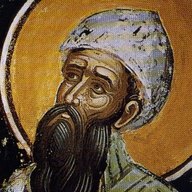
St. Cyril of AlexandriaCommentary on Luke · on Luke 20:1–2
They rise up therefore against Christ as He teaches, and wickedly and abominably call out and say, "Tell us, by what authority You do these things? Who gave You this authority? 'The law, they say, given by Moses, and the commandment which regulates all these our institutions, enjoined that those only who are of the…
St. Cyril of AlexandriaCommentary on Luke · on Luke 20:1–2
YOU have again assembled, I suppose, to be taught; and I praise your conduct, and count your willingness worthy of all admiration: for it is written, that "wisdom is better than stones of costly price; and all precious things are not comparable to her." For the wisdom that comes from above, from God, is an…
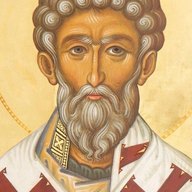
Blessed Augustinein the Catena Aurea · on Luke 20:1
Having related the casting out of those that bought and sold in the temple, Luke omits Christ's going to Bethany and His return again to the city, and the circumstances of the fig-tree, and the answer which was made to the astonished disciples, concerning the power of faith. And having omitted all these, as he does…
St. Bede the Venerablein the Catena Aurea · on Luke 20:2
Or when they say, By what authority doest thou these things? they doubt concerning the power of God, and wish it to be understood that of the devil He doeth this. Adding moreover, And who is he that gave thee this authority? Most plainly do they deny the Son of God when they think that not by His own power but…
St. Cyril of AlexandriaCommentary on Luke · on Luke 20:3–7
When then they asked, "By what authority do You do these things?" the Saviour replied, "I also will ask you one word, and tell Me: the baptism of John, was it from heaven or of men? And they, it says, considered with themselves, saying, that if we shall say, From heaven, He will say, Why therefore did you not believe…
Blessed Theophylact of Ohridin the Catena Aurea · on Luke 20:3–4
For that He might show that they had always rebelled against the Holy Spirit, and that besides Isaiah, whom they remembered not, they had refused to believe John whom they had lately seen; He now in his turn puts the question to them, proving that if so great a Prophet as John who was accounted greatest among them had…
St. Bede the Venerablein the Catena Aurea · on Luke 20:3
Now our Lord by a simple answer might have refuted such a calumny; but He wisely asks a question, that by their silence or their words they might condemn themselves. And he answered and said unto them, I also will ask, &c.
The baptism of John, was it from heaven, or of men?
τὸ βάπτισμα Ἰωάννου ἐξ οὐρανοῦ ἦν ἢ ἐξ ἀνθρώπων;
BV
St. Bede the Venerablein the Catena Aurea · on Luke 20:4–6
As if He should say, He whom yon confess had his gift of prophecy from heaven, and gave testimony to Me. And ye heard from him by what power I should do these things. It follows, But if we shall say, Of men; the whole people will stone us: for they be persuaded that John was a prophet. Therefore perceived they in…
And they answered, that they could not tell whence it was.
καὶ ἀπεκρίθησαν μὴ εἰδέναι πόθεν.
BV
St. Bede the Venerablein the Catena Aurea · on Luke 20:7–8
And then it follows, And they answered, that they could not tell whence it was. Because they will not confess that which they knew, they were baffled, and the Lord would not tell them what He knew; as it follows, And Jesus said unto them, Neither will I tell you by what authority I do these things. For there are two…
St. Cyril of AlexandriaCommentary on Luke · on Luke 20:8
As not being then worthy to learn the truth, and to see the pathway which leads directly to every good work, Christ answered them, "And neither do I tell you by what authority I do these things." The Jews therefore knew not the truth: for they were not "taught by God," that is, of Christ. But to us who have believed…
Then began he to speak to the people this parable; A certain man planted a vineyard, and let it forth to husbandmen, and went into a far country for a long time.
Blessed AugustineHarmony of the Gospels, Book 2 · on Luke 20:9
Matthew goes on thus: "But what think ye? A certain man had two sons; and he came to the first, and said, Son, go work to-day in my vineyard. But he answered and said, I will not; but afterward he repented, and went. And he came to the second, and said likewise. And he answered and said, I go, sir; and went not;" and…
St. Cyril of AlexandriaCommentary on Luke · on Luke 20:9
And He began to speak to the people this parable: A man planted a vineyard, and let it out to husbandmen, and went on a journey for a long time. And at the season he sent a servant to the husbandmen, that they might give him some of the fruit of the vineyard: but the husbandmen beat him, and sent him away empty. And…
Blessed Augustinein the Catena Aurea · on Luke 20:9
Matthew has omitted for brevity's sake what Luke has not, namely, that the parable was spoken not to the rulers only who asked concerning His authority, but also to the people.
St. Cyril of Alexandriain the Catena Aurea · on Luke 20:9–10
Or God took Himself away from the vineyard for the course of many years, for since the time that He was seen to descend in the likeness of fire upon Mount Sinai, He no longer vouchsafed to them His visible presence; though no change took place, in which He sent not His prophets and righteous men to give warning…
Blessed Theophylact of Ohridin the Catena Aurea · on Luke 20:9
Or each one of the people is the vineyard, each likewise is the husbandman, for every one of us takes care of himself. Having committed then the vineyard to the husbandmen, he went away, that is, he left them to the guidance of their own judgment. Hence it follows, And went into a far country for a long time.
St. Ambrose of Milanin the Catena Aurea · on Luke 20:9
Now many derive different meanings from the name vineyard, but Esaias clearly relates the vineyard of the Lord of Sabaoth to be the house of Israel. (Isa. 5.) This vineyard who else but God planted? Not that our Lord journeys from place to place, seeing that He is ever present in every place, but that He is more…
St. Ambrose of Milanin the Catena Aurea · on Luke 20:9
The vineyard is also our type. For the husbandman is the Almighty Father, the vine is Christ, but we are the branches. (John 15:5.) Rightly are the people of Christ called a vine, either because it carries on its front the sign of the cross, or because its fruits are gathered in the latter time of the year, or because…
St. Bede the Venerablein the Catena Aurea · on Luke 20:9–18
Or understanding it morally; to every one of the faithful is let out a vineyard to cultivate, in that the mystery of baptism is entrusted to him to work out. One servant is sent, a second and a third, when the Law, the Psalms, and the Prophets are read. But the servant who is sent is said to be treated despitefully or…
And at the season he sent a servant to the husbandmen, that they should give him of the fruit of the vineyard: but the husbandmen beat him, and sent him away empty.
St. Cyril of AlexandriaCommentary on Luke · on Luke 20:10–12
As I said, then, He went abroad: but plainly He had care for His farm, and kept it in His mind. For He sent faithful servants to them at three different times to receive produce, or fruit, from the tillers of the vineyard. For there was no period in the interval, during which there were not sent by God prophets and…
Blessed Theophylact of Ohridin the Catena Aurea · on Luke 20:10
He says of the fruit of the vineyard, because not the whole fruit, but part only, He wished to receive. For what does God gain from us, but His own knowledge, which is also our profit.
St. Bede the Venerablein the Catena Aurea · on Luke 20:10
But it is rightly written fruit, not increase. For there was no increase in this vineyard. The first servant sent was Moses, who for forty years sought of the husbandmen the fruit of the law which he had given, but he was wroth against them, for they provoked his spirit. Hence it follows, But they beat him, and sent…
St. Ambrose of Milanin the Catena Aurea · on Luke 20:11–12
And it came to pass that He ordained many others, whom the Jews sent back to him disgraced and empty, for they could reap nothing from them; as it follows, And again he sent another servant.
St. Bede the Venerablein the Catena Aurea · on Luke 20:11
By the other servant is meant David, who was sent after the commandment of the law, that he by the music of his psalmody might stir up the husbandmen to the exercise of good works. But they on the contrary declared, What portion have we in David, neither have we inheritance in the son of Jesse. (1 Sam. 20:1.). Hence…
St. Bede the Venerablein the Catena Aurea · on Luke 20:12
But He does not stop here, for it follows, And again he sent a third: whereby we must understand the company of prophets who constantly visited the people with their testimony. But which of the Prophets did they not persecute; as it follows, And they wounded him also, and cast him out. Now these three successions of…
St. Cyril of AlexandriaCommentary on Luke · on Luke 20:13–15
But the lord of the vineyard considers with himself, saying, "What shall I do?" And we must carefully examine in what sense he says this. Does then the householder use these words because he had no more servants? Certainly not: for there were not wanting to Him other ministers of His holy will. But just as if a…
St. John Chrysostomin the Catena Aurea · on Luke 20:13
Now it was not accidentally but part of the purpose of the divine dispensation that Christ came after the prophets. For God does not pursue all things at once, but accommodates Himself to mankind through His great mercy; for if they despised His Son coming after His servants, much less would they have heard Him…
St. Cyril of Alexandriain the Catena Aurea · on Luke 20:13
The Lord of the vineyard also ponders what He should do, not that He is in need of ministers, but that having thoroughly tried every device of human aid, yet His people being in no wise healed, He may add something greater; as He goes on to say, I will send my beloved son: it may be they will reverence him when they…
Blessed Theophylact of Ohridin the Catena Aurea · on Luke 20:13
After the prophets then had suffered all these things, the Son is delegated; for it follows, Then said the Lord of the vineyard, What shall I do? That the Lord of the vineyard speaks doubtingly, arises not from ignorance, for what is there that the Lord knows not? but He is said to hesitate, that the free will of man…
St. Ambrose of Milanin the Catena Aurea · on Luke 20:14–15
When then the only-begotten Son was sent to them, the unbelieving Jews, wishing to be rid of the Heir, put Him to death by crucifying Him, and rejected Him by denying Him. Christ is the Heir and the Testator likewise. The Heir, because He survives His own death; and of the testament which He Himself bequeathed, He…
Blessed AugustineHarmony of the Gospels, Book 2 · on Luke 20:15–17
Now no question implying any contradiction between these accounts rises here, unless it be raised by the circumstance that Matthew, after telling us how the Lord addressed to the Jews this interrogation, "When the lord, therefore, of the vineyard cometh, what will he do unto those husbandmen?" adds, that they answered…
Blessed Theophylact of Ohridin the Catena Aurea · on Luke 20:15
Since we have already assumed the people, not Jerusalem, to be the vineyard, it may perhaps be more properly said that the people indeed slew Him without the vineyard; that is, our Lord suffered without the hands of the people, because in truth the people did not with their own hands inflict death upon Him, but…
St. Ambrose of Milanin the Catena Aurea · on Luke 20:15–16
He rightly puts a question to them, that they may condemn themselves by their own words, as it follows, What then will the Lord of the vineyard do to them? He says, the Lord of the vineyard will come, because in the Son is present also the Father's majesty; or because in the last times He will be more graciously…
St. Bede the Venerablein the Catena Aurea · on Luke 20:15
But our Lord most clearly proves that the Jewish rulers crucified the Son of God not from ignorance but for envy. For they knew it was He to whom it was said, I will give thee the heathen for thine inheritance. (Ps. 2:8.) And they cast him out of the vineyard, and slew him. (Heb. 13:12.) Because Jesus, that He might…
St. Cyril of AlexandriaCommentary on Luke · on Luke 20:16
The chiefs therefore of the synagoge of the Jews were cast out for resisting the Lord's will by rendering the vineyard which had been entrusted to them unfruitful. For God has somewhere said, "Many shepherds have destroyed My vineyard: they have profaned My portion: they have made My desirable inheritance into a…
Blessed Augustinein the Catena Aurea · on Luke 20:16–17
Or else, in the multitude of which we are speaking there were those who craftily asked our Lord by what authority He acted; there were those also who not craftily, but faithfully, cried aloud, Blessed is he who cometh in the name of the Lord. And so there would be some who would say, He will miserably destroy those…
St. Cyril of Alexandriain the Catena Aurea · on Luke 20:16
The Jewish rulers were shut out then, because they resisted their Lord's will, and made the vineyard barren which was entrusted to them. But the cultivation of the vineyard was given to the Priests of the New Testament, upon which the Scribes and Pharisees, as soon as they perceived the force of the parable, refuse to…
Blessed Theophylact of Ohridin the Catena Aurea · on Luke 20:16
Now Matthew seems to relate the parable differently; that when our Saviour asked indeed, What will he do then to the husbandmen? the Jews answered, he will miserably destroy them. But there is no difference between the two circumstances. The Jews at first pronounced that opinion, then perceiving the point of the…
St. Cyril of AlexandriaCommentary on Luke · on Luke 20:17
"But He, it proceeds, looked upon them, and said, What is this then that is written, That the stone which the builders rejected has become the head of the corner? Every one that falls upon this stone shall be broken: but upon whomsoever it shall fall, it will crush him." For the Saviour, although He was a chosen…
St. Cyril of Alexandriain the Catena Aurea · on Luke 20:17
But holy Scripture compares to a corner the meeting together of the two nations, the Jew and the Gentile, into one faith. (1 Pet. 2:7. Eph. 2:20.) For the Saviour has compacted both peoples into one new man, reconciling them in one body to the Father. Of saving help then is that stone to the corner made by it, but to…
Blessed Theophylact of Ohridin the Catena Aurea · on Luke 20:17
For the rulers of the people rejected Him, when they said, This man is not of God. (John 9:16.) But He was so useful and so precious, that He was placed as the head stone of the corner.
St. Bede the Venerablein the Catena Aurea · on Luke 20:17
As if He said, How shall the prophecy be fulfilled, except that Christ, being rejected and slain by you, is to be preached to the Gentiles, who will believe on Him, that as the corner stone He may thus from both nations build up one temple to Himself?
St. Cyril of AlexandriaCommentary on Luke · on Luke 20:18
The stone therefore is the safety of the corner which is formed by it: but breaking and destruction to those who have remained apart from this rational and spiritual union. "For he that falls, He says, upon this stone shall be broken: but upon whomsoever it shall fall it will crush him." For when the multitudes of the…
Blessed Theophylact of Ohridin the Catena Aurea · on Luke 20:18
He mentions two condemnations or destructions of them, one indeed of their souls, which they suffered being offended in Christ. And He touches this when He says, Whosoever shall fall upon that stone shall be shaken to pieces. But the other of their captivity and extermination, which the Stone that was despised by them…
St. Bede the Venerablein the Catena Aurea · on Luke 20:18
Or else, He who is a sinner, yet believes on Christ, falls indeed upon the stone and is shaken, for he is preserved by penitence unto salvation. But upon whomsoever it shall fall, that is, upon whom the stone itself has come down because he denied it, it shall grind him to powder, so that not even a broken piece of a…
And the chief priests and the scribes the same hour sought to lay hands on him; and they feared the people: for they perceived that he had spoken this parable against them.
St. Cyril of AlexandriaCommentary on Luke · on Luke 20:19
And the chief priests and scribes sought that same hour to lay hands upon Him; and they feared the people: for they knew that He had spoken this parable concerning them. And having watched for an opportunity, they sent to Him spies, making pretence of being just men, to find occasion against Him in His speech, that…
St. Cyril of Alexandriain the Catena Aurea · on Luke 20:19–20
It became indeed the rulers of the Jews, perceiving that the parable was spoken of them, to depart from evil, having been thus as it were warned concerning the future. But little mindful of this, they rather gather a fresh occasion for their crimes. The commandment of the Law restrained them not, which says, The…
St. Bede the Venerablein the Catena Aurea · on Luke 20:19
And so by seeking to slay Him, they proved the truth of what He had said in the parable. For He Himself is the Heir, whose unjust death He said was to be punished. They are the wicked husbandmen who sought to kill the Son of God. This also is daily committed in the Church when any one, only in name a brother, is…
And they watched him, and sent forth spies, which should feign themselves just men, that they might take hold of his words, that so they might deliver him unto the power and authority of the governor.
Blessed AugustineHarmony of the Gospels, Book 2 · on Luke 20:20
Matthew then continues in these terms: "Then went the Pharisees, and took counsel how they might entangle Him in His talk. And they send out unto Him their disciples, with the Herodians, saying, Master, we know that thou art true, and teachest the way of God in truth, neither carest thou for any man; for thou…
St. Cyril of AlexandriaCommentary on Luke · on Luke 20:20
But these bold and obdurate men, being ready for evil only,. entertain no such purpose as this, but with their mind full of the craftiness of the devil, betake themselves to wicked devices. They lay snares for Christ, and contrive a trap for an accusation against Him, and gather pretexts for falsely accusing Him.…
Blessed Theophylact of Ohridin the Catena Aurea · on Luke 20:20–22
They laid snares for our Lord, but got their own feet entangled in them. Listen to their cunning, And they asked Him, saying, Master, we know that thou sayest and teachest rightly. Therefore it was intended, in case He said they ought to give tribute to Cæsar, that He should be accused by the people, as placing the…
And they asked him, saying, Master, we know that thou sayest and teachest rightly, neither acceptest thou the person of any, but teachest the way of God truly:
St. Cyril of AlexandriaCommentary on Luke · on Luke 20:21–22
But this they would not even admit into their minds: how could they? but drew near, tempting Him; and hiding from Him their fraudulent purpose, they address Him with gentle words, being like savage beasts wrapped in lambs' clothing. Such were they whom the prophet David also rebuked, saying, "Their words are smoother…
St. Bede the Venerablein the Catena Aurea · on Luke 20:21
This smooth and artful question was to entice the answerer to say that he fears God rather than Cæsar, for it follows, Neither acceptest thou the person of any, but teachest the way of God truly.
Is it lawful for us to give tribute unto Caesar, or no?
ἔξεστιν ἡμῖν Καίσαρι φόρον δοῦναι ἢ οὔ;
BV
St. Bede the Venerablein the Catena Aurea · on Luke 20:22
This they say, to entice Him to tell them that they ought not to pay tribute, in order that the servants of the guard, (who according to the other Evangelists are said to have been present,) might immediately upon hearing it seize Him as the leader of a sedition against the Romans. And so they proceed to ask, Is it…
St. Cyril of AlexandriaCommentary on Luke · on Luke 20:23–25
Their object therefore, it says, was to deliver "Him to the authority of the governor:" for they expected that certainly and without doubt they would hear Him say, that it was not lawful to give tribute to Caesar. How therefore did Christ overcome their craftiness? "Show Me, He says, a denarius." And when it was shown…
Blessed Theophylact of Ohridin the Catena Aurea · on Luke 20:23
But He escapes their snares, as it follows, Perceiving their craftiness, he said unto them, Why tempt ye me? show me a penny. Whose image and superscription has it?
St. Bede the Venerablein the Catena Aurea · on Luke 20:24
Let those who impute the question of our Saviour to ignorance, learn from this place that Jesus was well able to know whose image was on the money; but He asks the question, that He might give a fitting answer to their words; for it follows, They answered and said, Cæsar's. We must not suppose Augustus is thereby…
Blessed Theophylact of Ohridin the Catena Aurea · on Luke 20:25
And observe that He said not, give, but return. For it is a debt. Thy prince protects thee from enemies, renders thy life tranquil. Surely then thou art bound to pay him tribute. Nay, this very piece of money which thou bringest thou hast from him. Return then to the king the king's money. God also has given thee…
St. Ambrose of Milanin the Catena Aurea · on Luke 20:25
Our Lord here teaches us, how cautious we ought to be in our answers to heretics or Jews; as He has said elsewhere, Be ye wise as serpents (Mat. 10:16). Be unwilling then, if thou wouldest not offend Cæsar, to possess worldly goods. And thou rightly teachest, first to render the things which be Cæsar's. For no one can…
St. Bede the Venerablein the Catena Aurea · on Luke 20:25
But from their answer our Lord easily solves the question, for it follows, And he said unto them, Render unto Cæsar the things which be Cœsar's, and unto God the things which be God's.
St. Cyril of AlexandriaCommentary on Luke · on Luke 20:26
"They wondered therefore at His answer," and that "before all the people," that is, before many witnesses. And yet, as though they had forgotten these things, when they led Jesus to Pilate, they brought this very accusation against Him: for they said, "We found this man perverting the people, and forbidding to give…
St. Bede the Venerablein the Catena Aurea · on Luke 20:26
Now they who ought rather to have believed such great wisdom, marvelled that in all their cunning they had found no opportunity of catching Him. As it follows, And they could not take hold of his words before the people: and they marvelled at his answer, and held their peace.
St. Cyril of AlexandriaCommentary on Luke · on Luke 20:27
And certain Sadducees drew near, who say there is no resurrection; and they asked Him, saying, Teacher, Moses wrote to us, that if any man's brother die having a wife, and he die without children, that his brother shall take his wife, and raise up seed to his brother. There were therefore seven brethren, and the first…
St. Cyril of AlexandriaCommentary on Luke · on Luke 20:27–33
But let us examine, if you will, this senseless fiction of their framing. They say then that there were seven brethren, who successively became the husbands of one wife, according to the requirements of the law of Moses; and she died without children: at the resurrection therefore whose wife will she be? The enquiry…
Blessed Theophylact of Ohridin the Catena Aurea · on Luke 20:27
Now the Sadducees resting upon a weak foundation, did not believe in the doctrine of the resurrection. For imagining the future life in the resurrection to be carnal, they were justly misled, and hence reviling the doctrine of the resurrection as a thing impossible they invent the story, There were seven brothers, &c.
St. Bede the Venerablein the Catena Aurea · on Luke 20:27
There were two heresies among the Jews, one of the Pharisees, who boasted in the righteousness of their traditions, and hence they were called by the people, "separated;" the other of the Sadducees, whose name signified "righteous," claiming to themselves that which they were not. When the former went away, the latter…
Saying, Master, Moses wrote unto us, If any man’s brother die, having a wife, and he die without children, that his brother should take his wife, and raise up seed unto his brother.
St. Ambrose of Milanin the Catena Aurea · on Luke 20:28
According to the letter of the law, a woman is compelled to marry, however unwilling, in order that a brother may raise up seed to his brother who is dead. The letter therefore killeth, but the Spirit is the master of charity.
St. Ambrose of Milanin the Catena Aurea · on Luke 20:29–33
Mystically, this woman is the synagogue, which had seven husbands, as it is said to the Samaritan, Thou hadst five husbands, (John 4:18.) because the Samaritan follows only the five books of Moses, the synagogue for the most part seven. And from none of them has she received the seed of an hereditary offspring, and so…
St. Bede the Venerablein the Catena Aurea · on Luke 20:29–32
They devise this story in order to convict those of folly, who assert the resurrection of the dead. Hence they object a base fable, that they may deny the truth of the resurrection.
St. Bede the Venerablein the Catena Aurea · on Luke 20:29–32
Or these seven brothers answer to the reprobate, who throughout the whole life of the world, which revolves in seven days, are fruitless in good works, and these being carried away by death one after another, at length the course of the evil world, as the barren woman, itself also passes away.
St. Cyril of AlexandriaCommentary on Luke · on Luke 20:34–36
And thus much for our own argument in refutation of the infidelity of the Jews: but let us see also what Christ said to them: "The children indeed of this world," He says, those, that is, who lead worldly carnal lives, full of fleshly lust, for the procreation of children "marry and are married:" but those who have…
Blessed Theophylact of Ohridin the Catena Aurea · on Luke 20:34
But our Lord shows that in the resurrection there will be no fleshly conversation, thereby overthrowing their doctrine together with its slender foundation; as it follows, And Jesus said unto them, The children of this world marry, &c.
Blessed Augustinein the Catena Aurea · on Luke 20:35
For marriages are for the sake of children, children for succession, succession because of death. Where then there is no death, there are no marriages; and hence it follows, But they which shall be accounted worthy, &c.
Blessed Theophylact of Ohridin the Catena Aurea · on Luke 20:35
As if He said, Because it is God who worketh in the resurrection, rightly are they called the sons of God, who are regenerated by the resurrection. For there is nothing carnal seen in the regeneration of them that rise again, there is neither coming together, nor the womb, nor birth.
St. Bede the Venerablein the Catena Aurea · on Luke 20:35
Which must not be taken as if only they who are worthy were either to rise again or be without marriage, but all sinners also shall rise again, and abide without marriage in that new world. But our Lord wished to mention only the elect, that He might incite the minds of His hearers to search into the glory of the…
Blessed Augustinein the Catena Aurea · on Luke 20:36
As our discourse is made up and completed by departing and succeeding syllables, so also men themselves whose faculty discourse is, by departure and succession make up and complete the order of this world, which is built up with the mere temporal beauty of things. But in the future life, seeing that the Word which we…
St. Cyril of Alexandriain the Catena Aurea · on Luke 20:36
For as the multitude of the angels is indeed very great, yet they are not propagated by generation, but have their being from creation, so also to those who rise again, there is no more necessity for marriage; as it follows, And are the children of God.
St. Bede the Venerablein the Catena Aurea · on Luke 20:36
Or they are equal to the angels, and the children of God, because made new by the glory of the resurrection, with no fear of death, with no spot of corruption, with no quality of an earthly condition, they rejoice in the perpetual beholding of God's presence.
St. Cyril of AlexandriaCommentary on Luke · on Luke 20:37–38
But the Saviour also demonstrated the great ignorance of the Sadducees, by bringing forward their own hierophant Moses, as well and clearly acquainted with the resurrection of the dead. For he has set before us God, He says, as saying in the bush, "I am the God of Abraham, and the God of Isaac, and the God of Jacob."…
St. John Chrysostomin the Catena Aurea · on Luke 20:37
As the saints claim as their own the common Lord of the world, not as derogating from His dominion, but testifying their affection after the manner of lovers, who do not brook to love with many, but desire to express a certain peculiar and especial attachment; so likewise does God call Himself especially the God of…
Blessed Theophylact of Ohridin the Catena Aurea · on Luke 20:37
Or to the reason above given the Lord added the testimony of Scripture, Now that the dead are raised, Moses also showed at the bush, (Exod. 3:6.) as the Lord saith, I am the God of Abraham, the God of Isaac, and the God of Jacob. As if he said, If the patriarchs have once returned to nothing so as not to live with God…
St. Bede the Venerablein the Catena Aurea · on Luke 20:37–38
Or He says this, that after having proved that the souls abide alter death, (which the Sadducees denied,) He might next introduce the resurrection also of the bodies, which together with the souls have done good or evil. But that is a true life which the just live unto God, even though they are dead in the body. Now…
Blessed Theophylact of Ohridin the Catena Aurea · on Luke 20:38
This is what follows, But he is not a God of the dead, but of the living: for all live unto him. For though they have departed from life, yet live they with Him in the hope of a resurrection.
St. Bede the Venerablein the Catena Aurea · on Luke 20:39–40
And since they had been defeated in argument, they ask Him no further questions, but seize Him, and deliver Him up to the Roman power. From which we may learn, that the poison of envy may indeed be subdued, but it is a hard thing to keep it at rest.
Blessed AugustineHarmony of the Gospels, Book 2 · on Luke 20:41
Matthew goes on thus: "Now when the Pharisees were gathered together, Jesus asked them, saying, What think ye of Christ? Whose son is He? They say unto Him, The son of David. He saith unto them, How then doth David in Spirit call Him Lord, saying, The Lord said unto my Lord, Sit Thou on my right hand, till I make…
St. Cyril of AlexandriaCommentary on Luke · on Luke 20:41–44
And He said to them. How say they of Christ that He is David's Son? For David himself says in the book of Psalms, The Lord said to my Lord, Sit You on My right hand until I place Your enemies as a footstool under Your feet. David therefore calls Him Lord; and how is He his Son? And in the hearing of all the people, He…
St. Cyril of Alexandriain the Catena Aurea · on Luke 20:41–44
Or, that He sits on the Father's right hand proves His heavenly glory. For whose throne is equal, their Majesty is equal. But sitting when it is said of God signifies a universal kingdom and power. Therefore He sitteth at the right hand of the Father, because the Word proceeding from the substance of the Father, being…
Blessed Theophylact of Ohridin the Catena Aurea · on Luke 20:41
Although our Lord was shortly about to enter on His Passion, He proclaims His own Godhead, and that too neither incautiously nor boastfully, but with modesty. For He puts a question to them, and having thrown them into perplexity, leaves them to reason out the conclusion; as it follows, And he said unto them, How say…
St. Ambrose of Milanin the Catena Aurea · on Luke 20:41–42
They are not blamed here because they acknowledge Him to be David's Son, for the blind man for so doing was thought worthy to be healed. (Luke 18:42.) And the children saying, Hosanna to the Son of David, (Matt. 21:9.) rendered to God the glory of the highest praise; but they are blamed because they believe Him not to…
Blessed Augustinein the Catena Aurea · on Luke 20:42
By the sitting we must not conceive a posture of the human limbs, as if the Father sat on the left and the Son on: the right, but the right hand itself we must interpret to be the power which that Man received who was taken up into Himself by God, that He should come to judge, who at first came to be judged.
Blessed Theophylact of Ohridin the Catena Aurea · on Luke 20:42–43
He manifests then that He is not opposed to the Father, but agrees with Him, since the Father resists the Son's enemies, Until I make thine enemies thy footstool.
St. Ambrose of Milanin the Catena Aurea · on Luke 20:43–44
We must believe then that Christ is both God and man, and that His enemies are made subject to Him by the Father, not through the weakness of His power, but through the unity of their nature, since in the one the other works. For the Son also subjects enemies to the Father, in that He glorifies the Father upon earth.…
Blessed Theophylact of Ohridin the Catena Aurea · on Luke 20:44
Therefore He asks the question, and having excited their doubts, leaves them to deduce the consequence; as it follows, David therefore calleth him Lord, how is he then his son?
St. Cyril of AlexandriaCommentary on Luke · on Luke 20:45–47
But, as I said, the rulers of the Jews had no regard whatsoever for the truth: and if any one would learn the reason of their obdurate dislike of instruction, he shall hear it from me. It was their determination not to depart from their inbred love of praise, nor to abandon their accursed lust of lucre. For the…
St. John Chrysostomin the Catena Aurea · on Luke 20:45
Now nothing is more powerful than to argue from the Prophets. For this is even of more weight than miracles themselves. For when Christ worked miracles, He was often gainsayed. But when He cited the Prophets, men were at once silent, because they had nothing to say. But when they were silent, He warns against them; as…
St. Cyril of Alexandriain the Catena Aurea · on Luke 20:45–47
The passions of the Scribes were the love of vainglory and the love of gain. That the disciples should avoid these hateful crimes, He gives them this warning, and adds, And love greetings in the markets.
Beware of the scribes, which desire to walk in long robes, and love greetings in the markets, and the highest seats in the synagogues, and the chief rooms at feasts;
Blessed Theophylact of Ohridin the Catena Aurea · on Luke 20:46
For as He was sending them to teach the world, He rightly warns them not to imitate the pride of the Pharisees. Beware of the Scribes, who desire to walk in long robes, that is, to go forth into public, dressed in fine clothes, which was one of the sins remarked in the rich man. (Luke 16:19.) Which is the way of those…
St. Bede the Venerablein the Catena Aurea · on Luke 20:46
He does not forbid those to sit first in the synagogue, or at the feast, to whom this dignity belongs by right, but He tells them to beware of those who love this unduly; denouncing not the distinction, but the love of it. Though the other also would not be free from blame, when the same men who wish to take part in…
St. John Chrysostomin the Catena Aurea · on Luke 20:47
Thrusting themselves also into the possessions of widows, they grind down their poverty, not content to eat as it may be afforded them, but greedily devouring; using prayer also to an evil end, they thus expose themselves to a heavier condemnation; as it follows, These shall receive the greater damnation.
Blessed Theophylact of Ohridin the Catena Aurea · on Luke 20:47
Because they not only do what is evil, but make a pretence of prayer, so making virtue an excuse for their sin. They also impoverish widows whom they were bound to pity, by their presence driving them to great expenses.
St. Bede the Venerablein the Catena Aurea · on Luke 20:47
But they seek not only for praise from men, but money; for it follows, Who devour widows' houses, and for a show make long prayers. For pretending to be righteous and of great merit before God, they do not fail to receive large sums of money from the sick and those whose consciences are disturbed with their sins, as…
Every note is a real passage, quoted word for word from a published English translation, with its source. Nothing here is summarised or written by us. Some verses have many notes and some have none, because the Fathers wrote more on some passages than others.
Blessed Augustine, The Harmony of the Gospels, tr. S. D. F. Salmond, Nicene and Post-Nicene Fathers, series 1, vol. 6 (1888).
St. Cyril of Alexandria, Commentary upon the Gospel according to S. Luke, tr. R. Payne Smith (Oxford, 1859).
Chrysostom, Augustine, Cyril, Theophylact, Ambrose, Gregory and Bede, as gathered in the Catena Aurea ("golden chain"), tr. J. H. Newman and others (Oxford, 1841–1845). In the 1260s Thomas Aquinas set the Fathers' comments on each verse of the Gospels side by side. He chose and arranged them, but every word is the Father's own.
Scripture: the King James Version (1611); the Greek (tap Ελ) is the 1904 Patriarchal text of the Ecumenical Patriarchate.
All of these translations are in the public domain. The passages were matched to their verses by the Historical Christian Commentaries project, which also hosts the full texts we link to. The Fathers are a treasury of the Church's mind, and they are best read alongside the life of the Church: if a passage raises a question, bring it to your priest.